Virtual water: Should drinking coffee make you feel guilty?
While admittedly my research strength is on wastewater governance, I am well versed on the water scarcity literature. One of the concepts that has gained notoriety in the social science literature is the idea of virtual water. From the World Water Council’s website:
Virtual water is the amount of water that is embedded in food or other products needed for its production. For example, to produce one kilogram of wheat we need about 1,000 litres of water, i.e. the virtual water of this kilogram of wheat is 1,000 litres. For meat, we need about five to ten times more.[World Water Council]
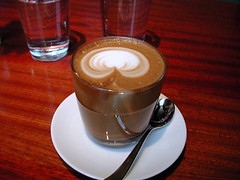
Credit: Ianiv and Arieanna
People who are unaware of the negative environmental impact of excess water consumption argue that, after all, it’s *just* a cup of coffee and that we have enough water in the world. My question to them is – How much of the world’s water is available for human consumption? Yeah, I told you about that a few months ago, remember? 0.38% – not nearly enough to sustain our current consumptive patterns.
Credit: Snap(R)
The concept of virtual water isn’t new, but it is a powerful tool that helps us understand how negative our consumption patterns are. I just hope that the great work that water-focused researchers (myself included) are doing to highlight the negative consequences of our day-to-day activities and over-consumptive patterns can resonate with the public. Please remember that water is VERY, very scarce, before flushing your toilet, before purchasing bottled water, before taking long showers. Thank you.


Excellent post, Raul! Good thing I gave up coffee recently. Tho I’m guessing the virtual water numbers on tea aren’t much better… maybe even worse, as I’d imagine tea plants drink up tons of the wet stuff.
How does this differ with tea?
How does this differ with tea?
Oops…forgot to say great post! Looking forward to your next one.
Wow 140 liters to produce a cup of coffee. Thanks I never thought about water usage, energy usage yes but don’t typically think of water usage. How much water would it take to produce a pint of Guinness?
Very nice post! I found the answers to other comments from my water resource conservation study materials 🙂
1 glass of beer (250 ml) 75 litres not sure about Guinness though…
1 cup of tea (250 ml) 35 litres
Looks like Tea is the winner!